
anti-glare etched glass
Outside Water Valve Replacement A Step-by-Step Guide Replacing an outside water valve can seem like a daunting task, but with the right tools, a bit of knowledge, and some patience, you can complete the job on your own. Whether you're dealing with a leaky valve, one that's malfunctioning, or simply upgrading to a more efficient model, this guide will walk you through the steps necessary for a successful replacement. Why Replace Your Outside Water Valve? The outside water valve, often referred to as a shut-off valve, is crucial for controlling the water supply to outdoor hoses and irrigation systems. Over time, these valves can become corroded or damaged, leading to leaks, pressure issues, or even complete failure. By replacing your outside water valve, you can prevent water wastage and maintain an efficient water supply for your outdoor needs. Tools and Materials Needed Before starting the replacement, gather the following tools and materials - Adjustable wrench or pipe wrench - Screwdriver (flathead or Phillips, depending on screws) - Teflon tape - New outside water valve - Bucket or rag for water cleanup - Safety goggles and gloves Step-by-Step Replacement Process 1. Shut Off the Water Supply Locate the main water shut-off valve for your home and turn it off. This will prevent any water from flowing while you work on the outside valve. 2. Drain the System Open the faucet connected to the outside valve to drain any remaining water in the pipes . Allow it to run until no more water flows out. outside water valve replacement 3. Remove the Old Valve Use your adjustable wrench to loosen the nuts that secure the valve to the plumbing. Be prepared for some water to escape, so have your bucket or rag handy. Once the nuts are removed, gently pull the valve away from the pipe. 4. Inspect the Pipes Before installing the new valve, check the condition of the pipes. Look for any signs of corrosion or damage. If the pipes are in poor condition, you may need to replace or repair them before installing the new valve. 5. Install the New Valve Apply Teflon tape to the threads of the pipe to ensure a good seal. Position the new valve onto the pipe and tighten the nuts securely with your wrench. Be mindful not to overtighten, which can damage the threads. 6. Reconnect any Additional Components If there are any additional connections, such as hoses or irrigation systems, reconnect them following the manufacturer's instructions. 7. Turn on the Water Supply Head back to your main water shut-off valve and turn it back on. Then, check the new valve for leaks by turning on the outdoor faucet. Watch for any drips around the connections. 8. Test the System Let the water run for a few minutes to ensure everything is functioning properly. Check that the valve opens and closes smoothly and that water flows freely through the hose or irrigation system. Final Thoughts Replacing an outside water valve can save you time and money, as professional plumbing services can be costly. By taking the DIY route, not only do you gain a sense of accomplishment, but you also enhance your understanding of your home’s plumbing system. Remember to follow all safety precautions and consult with a professional if you encounter any significant issues. By maintaining and replacing your outdoor plumbing fixtures as needed, you can keep your home running efficiently and avoid potential water damage. Now that you know the steps to replace your outside water valve, you’re well-equipped to tackle this common home maintenance task. Happy plumbing!
about
anti-glare etched glass
Understanding the 14G 7 16 Thread A Comprehensive Overview In the world of textiles and materials, threads play a crucial role in the durability and functionality of products. The term 14G 7 16 refers to a specific type of thread that has gained attention in various applications, especially in the fields of textiles, manufacturing, and crafting. This article explores what this designation means, its characteristics, applications, and importance in the industry. What Does 14G 7 16 Mean? The notation 14G 7 16 can be broken down into three distinct components 14G, 207, and 2016. Each part of this designation has a specific meaning, often related to the thread’s gauge, strength, and material composition. 1. 14G (Gauge) The term G typically refers to the gauge of the thread. A gauge of 14 indicates a specific thickness or diameter. In textile terminology, lower numbers often signify thicker threads, while higher numbers indicate thinner ones. A 14-gauge thread is relatively moderate in thickness, striking a balance between durability and ease of use. 2. 207 (Denier or Tex) The number 207 usually relates to the thread's denier or tex, which measures the thread's fineness. Denier refers to the weight in grams of 9000 meters of the thread, while tex denotes the weight in grams of 1000 meters. A denier of 207 indicates a sturdy thread capable of withstanding considerable stress, making it suitable for various applications where strength is essential. 3. 2016 (Year or Specification) The number 2016 may refer to the year of manufacture or a specific series designation within a product line. If it denotes a year, it suggests that the thread incorporates modern advancements in textile technology, offering better performance characteristics than earlier versions. If it indicates a series, it points to a particular set of standards or specifications that the thread meets. Characteristics of 14G 7 16 Thread 14g 7 16 thread The 14G 7 16 thread boasts several noteworthy characteristics - Durability This thread is designed to endure considerable wear and tear, making it ideal for products such as backpacks, outdoor gear, and heavy-duty sewing applications. - Versatility Thanks to its balanced gauge, this thread suits a wide range of materials, including cotton, polyester, and blends. It can be used in both woven and knitted fabrics. - Ease of Use While durable, the moderate thickness allows for easy handling and sewing. It can be used with various sewing machines and techniques, appealing to manufacturers and crafters alike. Applications of 14G 7 16 Thread The applications for the 14G 7 16 thread are vast and varied - Textiles Clothing manufacturers utilize this thread for stitching seams in garments, particularly in activewear and outdoor clothing where durability is crucial. - Upholstery In furniture manufacture, this thread is used to secure upholstery materials, providing a strong hold that withstands everyday use. - Crafting Projects Crafters often choose this thread for quilting and other sewing projects that require resilience, ensuring that the finished products can endure without falling apart. Conclusion In summary, the 14G 7 16 thread is a significant player in the world of textiles and manufacturing. Its unique combination of gauge, denier, and possibly year or specification positions it as a reliable choice for various applications. Whether in the production of robust outdoor gear or creative crafting projects, understanding the role and characteristics of this thread can lead to better product quality and enhanced durability. As industries continue to evolve, threads like 14G 7 16 will undoubtedly play a crucial role in meeting the demands of modern consumers and manufacturers alike.
-

High quality industrial productsagement

High quality industrial products
View Details -

Meet the diverse needs of customers

Meet the diverse needs of customers
View Details -

Strict quality control

Strict quality control
View Details -

Top raw materials

Top raw materials
View Details -

Trusted supplier

Trusted supplier
View Details
Our application
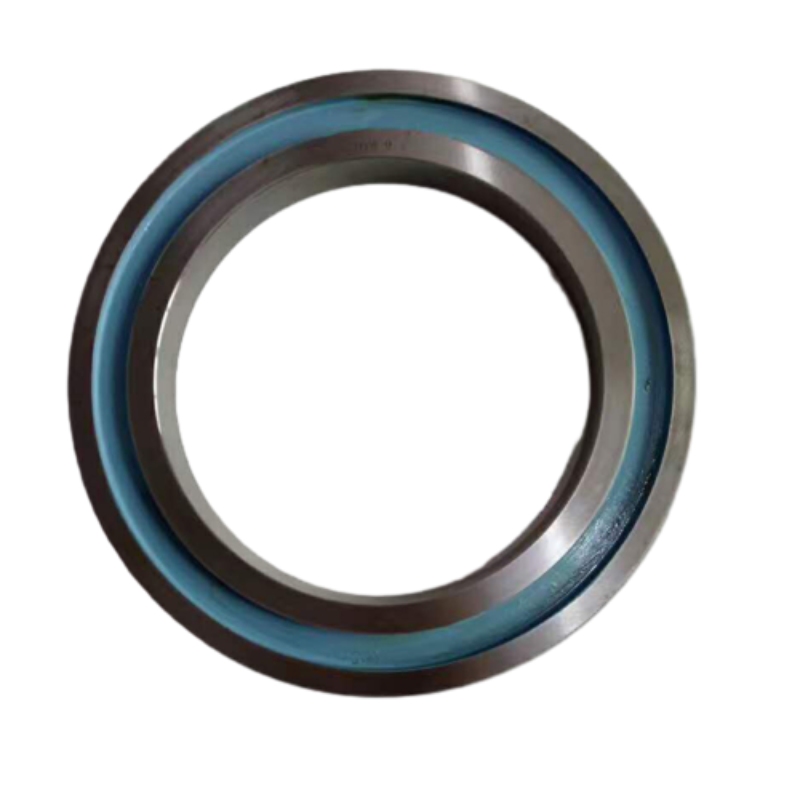
news and information
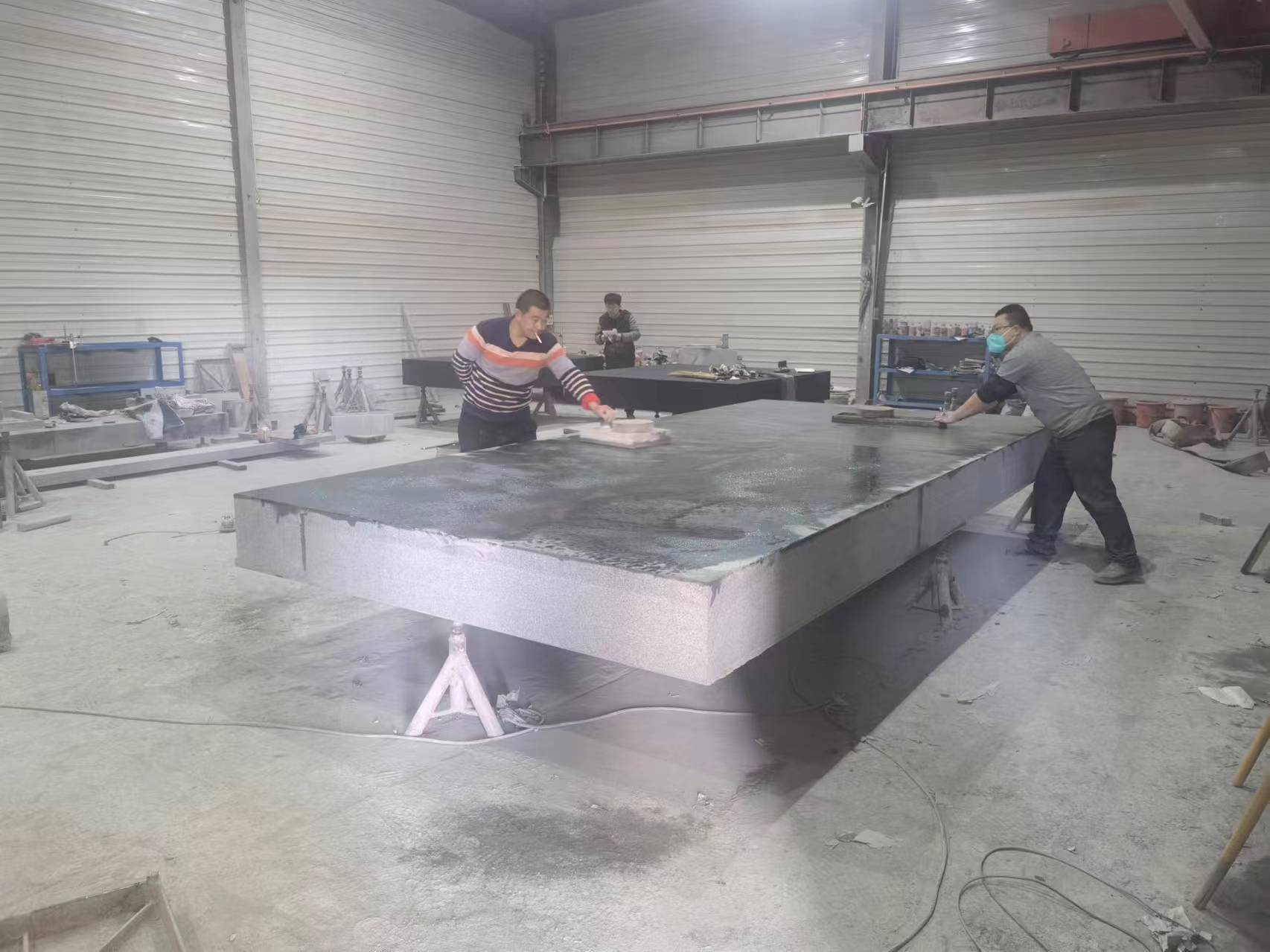
welding fab table for sale
The Rise in Popularity of Welding and Fabrication Tables for Sale In recent years, the demand for we
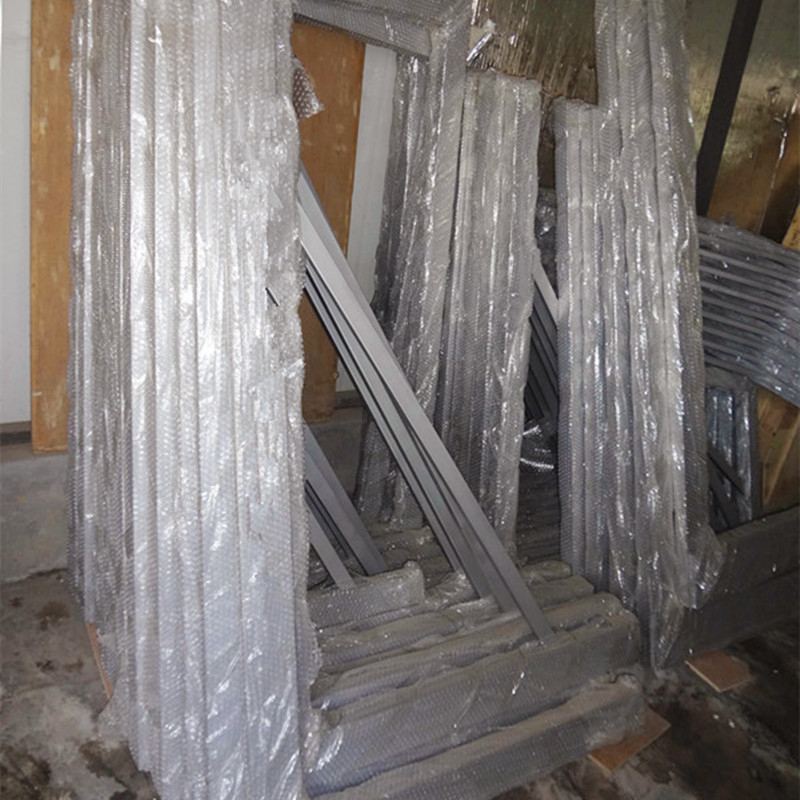
Varieties of Flow Control Valves and Their Applications in Fluid Management
Different Types of Flow Control Valves Flow control valves are essential components in various fluid
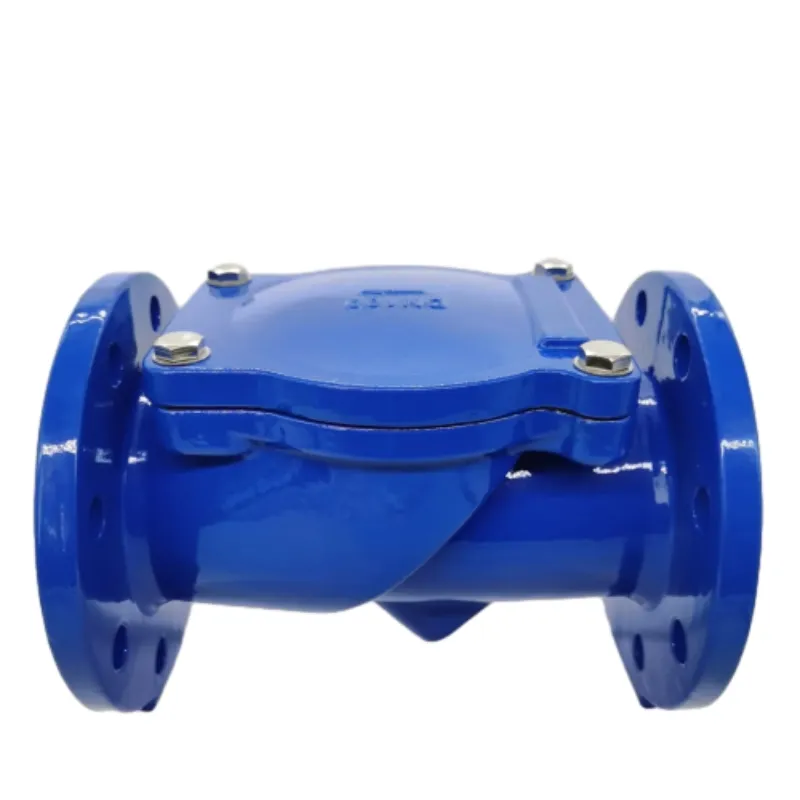
Válvula de retenção SS
Válvula de Retenção SS Importância e Aplicações No mundo da engenharia e da mecânica, o uso de válvu
 English